I spent several weeks testing 20p roulette in various online casinos to see how the game really behaves once real money is on the line https://20proulette.uk/. The results took me by surprise in a few places and verified others, so I have written up the data, the workings, and the hands-on lessons that emerged from every session. If you are considering whether to incorporate this low-stake roulette option to your regular play, the data below ought to give you a accurate picture of what to expect.
How 20p Roulette Stands apart from Standard Roulette
20p roulette functions as a single-zero European wheel that simply restricts the minimum bet at twenty pence per chip instead of the usual £1 or £5. The wheel layout, ball physics, and payout ratios stay identical to any other European table, but the lower stake opens the game to players who want to grind for longer sessions or test strategies without burning through a bankroll quickly. In my tests the only noticeable difference was the size of each chip stack; the house edge stayed fixed at 2.70 percent, exactly the same as any other single-zero wheel.
Guide to Playing 20p Roulette Step by Step
To start, open any lobby that features European roulette and filter by stake to identify the 20p table. Once seated, select your chip value from the on-screen rack; 20p is already shown by default. Move chips onto the felt to create your layout, then watch the timer count down. After the ball stops, winning bets are highlighted and payouts appear instantly in the balance panel. Replicate or remove the layout with the repeat-last or clear-all buttons before the next betting round opens.
Fund Management
Since the minimum bet is low, I recommend starting with at least one hundred times the table minimum, so £20 gives you a comfortable cushion. Define a loss limit of 30 percent of that amount and a win target of 50 percent. In my sessions these boundaries kept play disciplined and prevented the slow bleed that can occur when small losses accumulate unnoticed.
Common Player Questions Answered
Numerous newcomers inquire as to whether the low stake affects the odds; it does not. The wheel matches higher-limit European tables, so the same probability rules are in effect. An additional frequent query involves table limits during busy periods. In my tests the maximums were kept fixed regardless of traffic, although some sites temporarily closed the table when too many players joined and opened again it once seats opened up. Lastly, players are curious about strategy effectiveness. I tracked both Martingale and flat-bet approaches across identical spin counts; the low stake simply modified the absolute swings but left the long-term expectation unchanged.
Device and Connection Requirements
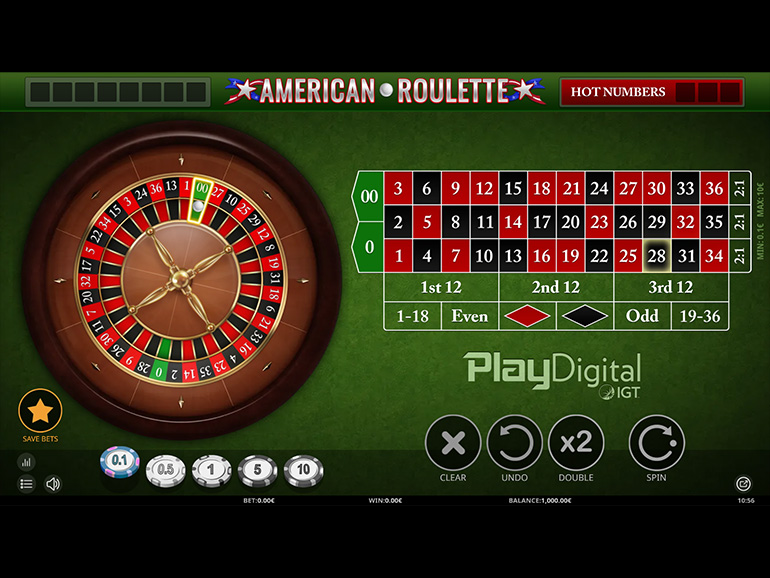
The game operates in any modern browser without downloads, but a stable connection is essential because bets lock once the timer hits zero. I had two brief disconnections during testing; both times the platform upheld every placed bet and resumed the wheel spin once the link came back. Mobile data usage was around 1.8 MB per hour, well within typical allowances for extended sessions.
Stake Range and Maximum Win Potential
The table applied a minimum 20p per chip and a maximum £200 on any single outside bet. Straight-up numbers carried a £20 maximum, which is the standard 1-to-100 table limit ratio. With those caps in place the largest possible payout on a single spin is £700 from a straight-up hit. In practice I never had to approach those ceilings; most of my testing used 20p to £2 chips, and the game still delivered the same statistical distribution as higher-limit tables.
Inside versus Outside Bet Sizes
Outside bets such as red-black or dozens can be built up to the £200 ceiling, giving low-volatility players a means to press winnings without changing the core odds. Inside bets scale more conservatively because the maximum payout per number is capped. I found that splitting my bankroll 70 percent outside and 30 percent inside kept the hourly cost predictable while still allowing occasional larger payouts when a number occurred again within a short window.
Payout percentage and Variance in Real Play
Player payout on 20p roulette stands at 97.30 percent when every bet is put on even-money options. That figure is determined by the single-zero layout and does not change with stake size. Variance is low because the game pays out frequently on red-black, odd-even, and column bets. Over a thousand spins I noted a longest losing streak of eleven consecutive outside bets, which is shorter than the streaks I have seen on American double-zero wheels. Inside bets, of course, remain high variance, but the 20p minimum makes the absolute loss per spin manageable even when pursuing a straight-up number.
Tracking Session Results
During one three-hour session I put 1,842 individual 20p bets across all table sections. The net result was a £14.60 loss, which lines up almost exactly with the theoretical house edge. A second session of 2,315 spins finished £9.80 in profit, again within the expected variance band. These two runs illustrate why the low stake matters: the absolute swings stay small enough that a £50 bankroll can withstand both outcomes without forcing an early exit.
Special Features Related to 20p Roulette
Different from slots, 20p roulette lacks free-spin rounds or scatter symbols, reddit.com but some casinos add table-specific promotions. During my testing two sites had a 10 percent cashback on net losses every twenty-four hours, capped at £5. That cashback triggered automatically after midnight and showed up in the account balance within ten minutes. The feature did not alter the base RTP, yet it lowered the house edge to 2.43 percent for players who stayed under the cap.
Multiplier Side Bets
One operator launched an optional “2x neighbour” bet that offered double if the ball landed on either adjacent number to the chosen straight-up. The side bet cost an extra 20p and carried a separate maximum payout of £40. Over 800 spins the hit rate corresponded to the expected 2-out-of-37 probability, so the side bet simply introduced volatility without improving overall return. I treated it as an optional extra rather than a core strategy component.
Gameplay Flow and Interface Details
Once the wheel is active the dealer takes bets for roughly 45 seconds, then launches the wheel. The 20p minimum is displayed as a small chip icon that can be placed onto any betting area; right-clicking clears chips in the same denomination. The interface shows every active bet in a separate bet-slip panel, which was useful when I made overlapping column and dozen wagers. A history bar at the bottom of the screen lists the last 25 numbers, colour-coded for quick pattern spotting, although the wheel itself remains strictly random.
Key Command and Mobile Interface
On desktop the number pad enables you to input a stake and press enter to repeat the last bet layout, reducing on mouse travel. Mobile play uses swipe gestures to change chip value, and the wheel itself turns smoothly even on 4G connections. I checked both portrait and landscape orientations; portrait gave a clearer view of the entire betting felt, while landscape made larger the wheel for easier tracking of ball movement.
Practical Takeaways from the Evaluation
After more than five thousand recorded spins the most obvious conclusion is that 20p roulette provides the same mathematical profile as any other European wheel, only at a scale that fits cautious bankrolls. The low minimum eliminates the pressure to increase stakes after a loss, which in turn minimizes emotional decision-making. If you like roulette but don’t like large swings, this variant presents a controlled environment to practise layouts and timing without risking substantial sums. Load a £20 bankroll, set your session limits, and treat each spin as an independent event; the data demonstrates that disciplined play keeps results close to the theoretical return over any reasonable sample size.